
Household preparedness does not need to mean fear, extreme stockpiling or complicated equipment. In most cases, it starts with understanding the everyday systems your household depends on and making a simple plan for temporary interruptions.
A more prepared home can be useful during power outages, severe weather, water interruptions, travel disruptions or other situations that temporarily change normal routines.
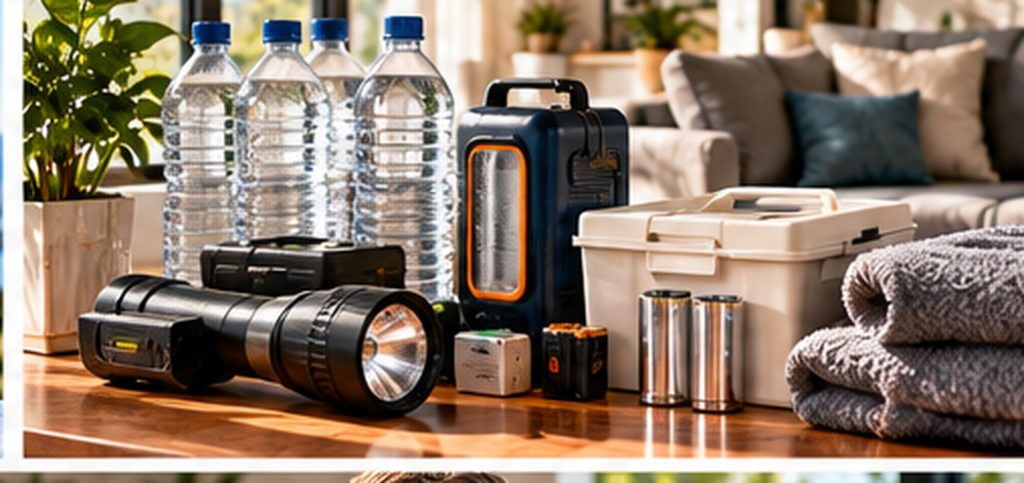
Water is one of the most basic household needs. A practical plan may include stored drinking water, a way to transport water if needed and an understanding of how your household would manage a temporary service interruption.
Preparedness becomes easier when common essentials are easy to locate. Depending on the household, this may include basic first-aid supplies, necessary personal items, shelf-stable food, hygiene items, pet supplies and copies of important information.
Household members should know how to contact one another, where important numbers are stored and what to do if normal communication is temporarily unavailable. A simple written plan can be more useful than an elaborate system nobody remembers.
Preparedness products are often sold with urgency. Before buying, ask whether the item solves a realistic problem for your household, whether you understand how to use it and whether a simpler alternative already meets the same need.
A prepared home is not about predicting every possible problem. It is about reducing avoidable inconvenience by organizing the basics, understanding household dependencies and making practical choices in advance.